
Myofunctional Therapy In Toronto
What Is Myofunctional Therapy?
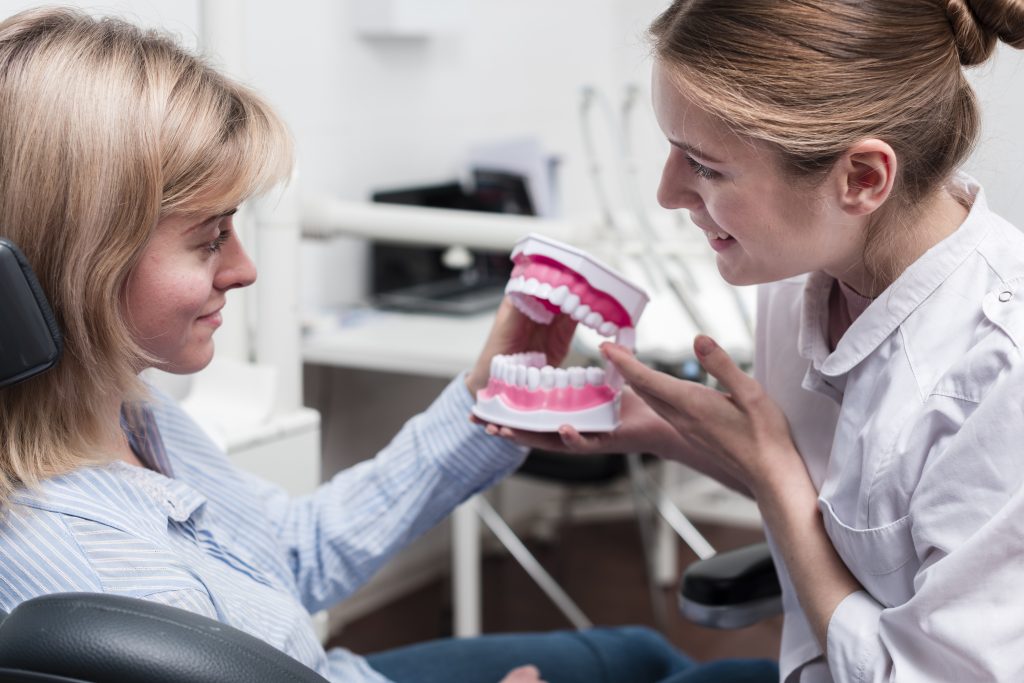
Myofunctional therapy is a structured program of exercises for the tongue, lips, jaw, and facial muscles. It focuses on the everyday patterns most people never think about: where the tongue rests, whether breathing happens through the nose, how swallowing works, and whether the lips stay comfortably closed at rest.
These patterns can affect oral health, sleep quality, orthodontic stability, and long-term function. That is why therapy looks at how the mouth and face work together, rather than at one symptom on its own.
At Kingsmill Dental Hygiene, therapy begins with a detailed assessment. We look at your concerns, oral habits, muscle function, and goals before building a plan that suits you or your child.
Signs of an Orofacial Myofunctional Disorder
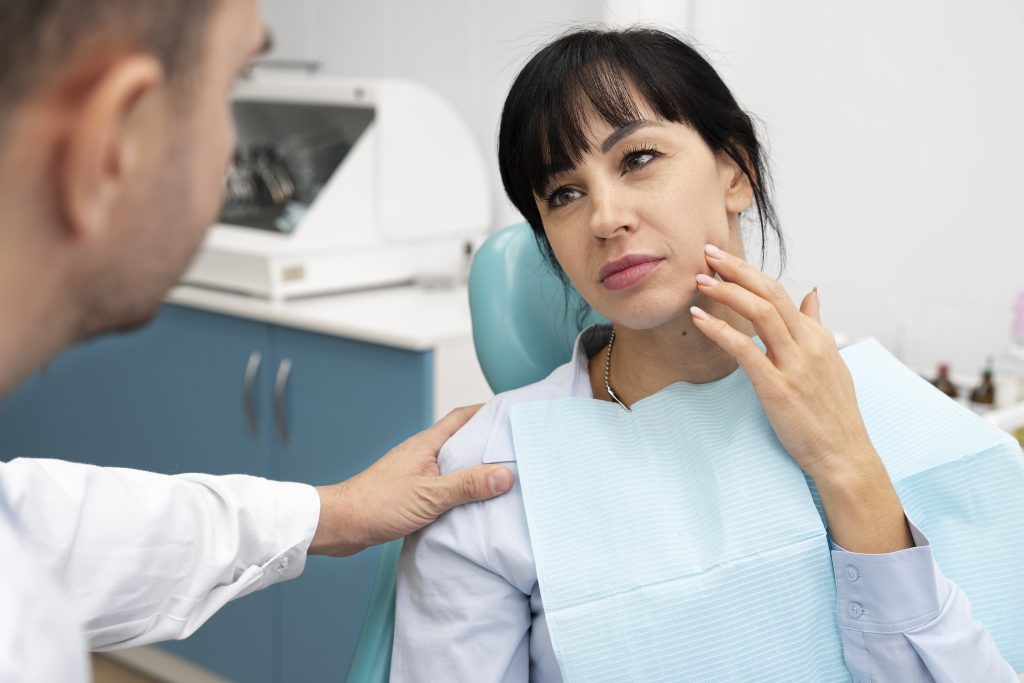
An orofacial myofunctional disorder can affect how the mouth rests, breathes, swallows, and functions day to day. The signs look different in children and adults, so an assessment is the clearest way to understand what is happening.
Open-Mouth Resting
The lips sit apart often, especially during sleep, screen time, or quiet concentration.
Unbalanced Swallowing
The tongue pushes forward, or the lip and cheek muscles work harder than they should.
Night-time Warning Signs
Snoring, restless sleep, or disrupted sleep patterns linked with oral habits.
Shifting After Braces
Teeth moving again after braces or aligners, which may be associated with ongoing muscle habits.
Who We Help: Children and Adults
Mouth Breathing
Mouth breathing can affect tongue posture and lip seal. Therapy supports better oral posture and nasal breathing habits.
Tongue Thrust
A forward tongue pattern can place pressure on the teeth and affect swallowing patterns. Therapy helps improve tongue position and swallowing patterns.
Snoring and Poor Sleep
Snoring may be linked with mouth breathing or low tongue posture. Therapy can support better oral muscle function.
Post-Orthodontic Relapse
Braces move teeth, but ongoing muscle habits may contribute to changes after orthodontic treatment. Therapy supports better tongue and muscle patterns after treatment.
Your Assessment And Therapy Plan
Your assessment is where therapy begins. It’s done in person, which gives us the time to look closely at tongue posture, lip seal, breathing, swallowing, and muscle function. From there, we build a therapy plan around your concerns, your goals, and your routine.
Review Your Concerns
We go through symptoms, habits, history, and what you want to change.
Check Oral Function
We look at tongue posture, lip seal, breathing, swallowing, and movement.
Explain The Findings
We walk through what we found and what it means for you.
Build Your Plan
We map out the exercises, schedule, and follow-up that suit you.
Why Choose an RDH with 10+ Years of Experience
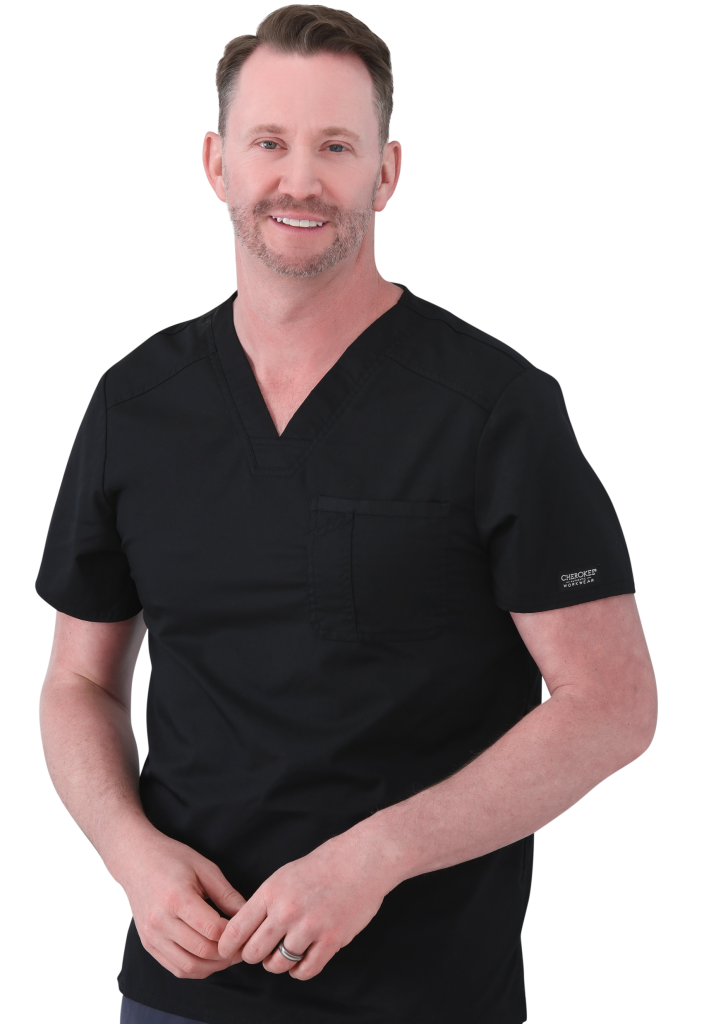
With more than 10 years of myofunctional therapy experience, Joe Siegfried, RDH, brings a focused understanding of how oral health, breathing, tongue posture, and long-term function connect. His goal is to make that connection clear and help patients understand their care.
Joe has also contributed to myofunctional therapy curriculum development for dental hygienists, and that teaching background shapes the way we explain care. His approach is practical, with time built in to ask questions and understand each next step.
Myofunctional Therapy Fees
The cost of myofunctional therapy depends on your assessment, the therapy you need, the length of the program, and your follow-up schedule. Some patients need a shorter plan, while others need support over a longer period.
Your assessment tells us which path makes sense. From there, we explain fees, program options, and any insurance questions clearly before you decide on next steps.
For a full breakdown, see our guide to what myofunctional therapy costs.

Related Services
Teeth Cleaning
Professional teeth cleaning, including scaling, polishing, and an oral health assessment.
Myofunctional Therapy
Personal therapy to support proper breathing, tongue posture, and oral function.
Teeth Whitening
Professional whitening with guidance throughout your treatment.
Mouth Breathing Treatment
Myofunctional therapy to help address chronic mouth breathing in children and adults.
Tongue-Tie & Myofunctional Therapy
Myofunctional therapy before and after a tongue-tie release to support oral function and recovery.
Snoring & Sleep Apnea Support
Myofunctional therapy to complement your physician’s treatment plan and support better oral function.
Areas We Serve
Kingsmill Dental Hygiene is located at Royal York & Bloor in Toronto’s Kingsway. The clinic is close to Royal York station, which makes appointments convenient for patients travelling by TTC, by car, or from nearby west-end neighbourhoods.
We regularly welcome patients from Kingsway, Etobicoke, Bloor West Village, High Park, Swansea, Baby Point, and Toronto West. We also see patients referred by dentists, orthodontists, ENTs, physiotherapists, and other providers.
Whether the visit is for your child, for yourself, or on a referral from another provider, the clinic offers a focused setting for myofunctional therapy support.

Frequently Asked Questions
What is the best age to start myofunctional therapy?
Myofunctional therapy can help children, teens, and adults. The right time depends on the concern, the habits involved, and the muscle patterns we see during your assessment.
Can myofunctional therapy help with snoring?
It may help some patients by supporting tongue posture, lip seal, nasal breathing habits, and oral muscle function. Sleep apnea diagnosis and treatment are always handled by a physician or sleep specialist.
Is myofunctional therapy covered by insurance?
Coverage depends on your plan. We can provide the information you need to submit a claim, though it is best to check the details directly with your provider.
How long does myofunctional therapy take?
Program length depends on your goals, your symptoms, and how consistently the home exercises are practised. Your assessment helps us set a realistic timeline.
Do I need a referral for myofunctional therapy?
No. You can book an assessment at Kingsmill Dental Hygiene directly. Some patients come on their own, while others are referred by a dentist, orthodontist, ENT, or another provider.
Can adults benefit from myofunctional therapy?
Yes. Adults often come to us with mouth breathing, tongue posture concerns, snoring, swallowing patterns, jaw tension, or teeth that have shifted after orthodontic treatment.
Ready to Start Myofunctional Therapy?
Start with an assessment to discuss your concerns, understand your oral function, and determine whether myofunctional therapy is right for you or your child.
Talk To Us
(416) 233-1286