
Myofunctional Therapy for Snoring and Sleep-Disordered Breathing
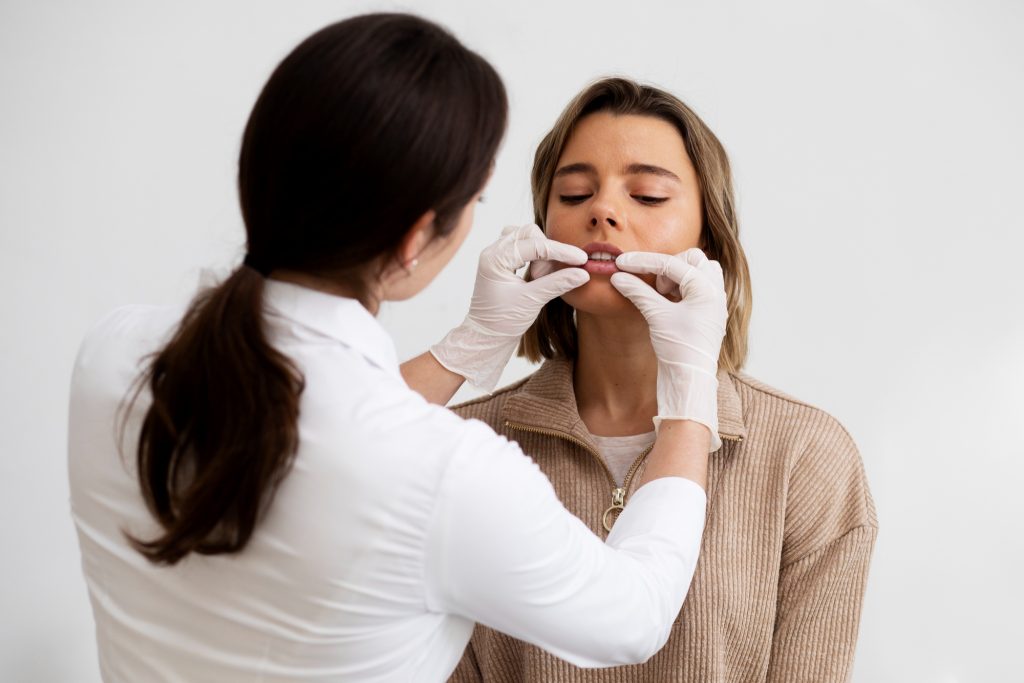
How Myofunctional Therapy Can Reduce Snoring
Snoring rarely comes down to one thing. For some people, part of the picture is functional: how the tongue rests, whether the lips stay comfortably closed, how the oral muscles hold their tone, and whether breathing happens through the nose or the mouth. Those patterns sit under the broader term sleep-disordered breathing, and they are the part we can assess.
At Kingsmill Dental Hygiene in Toronto’s Kingsway, we look at oral muscle function and breathing habits, explain what we notice in plain language, and retrain the patterns myofunctional therapy can reasonably influence. Where snoring points to something outside our scope, we say so and guide you toward the right provider.
Support Areas:
- Tongue posture and oral resting position
- Lip seal and mouth-closed awareness
- Breathing habit support
- Swallowing and muscle coordination
- Home exercises for daily practice
Who Diagnoses and Treats Sleep Apnea
Sleep apnea is a medical condition. It is diagnosed and managed by a physician, sleep specialist, or other qualified medical provider, and that is where it belongs. Kingsmill Dental Hygiene does not diagnose sleep apnea and does not provide medical treatment for it.
Our work sits alongside that care. We focus on the myofunctional side of the picture, including oral habits, tongue posture, mouth breathing, and muscle function, when those patterns are part of what is going on.
We provide myofunctional therapy. Diagnosis and treatment of sleep apnea stay with your physician or sleep specialist.
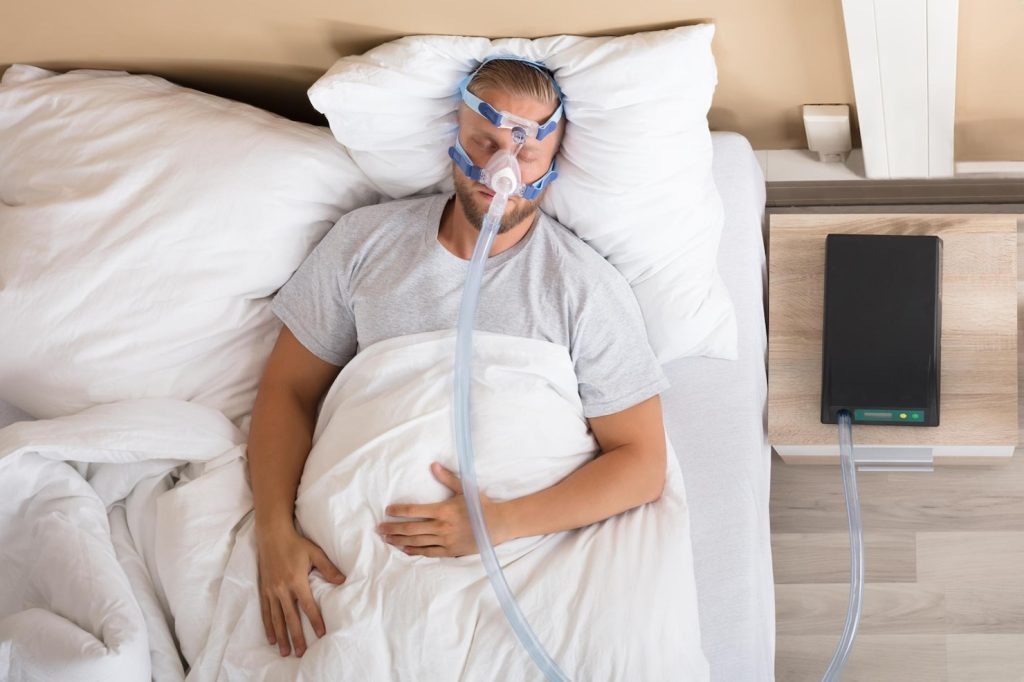

Working Alongside Your CPAP or Oral Appliance
Some patients already use a CPAP machine or an oral appliance prescribed by their medical or dental provider. Myofunctional therapy does not replace either one. What it may do is support the muscles and habits around the device, so that nasal breathing and a closed-mouth resting posture become easier to hold.
We follow the plan your provider has set. Exercises are built around your device and your routine rather than across them, and we coordinate with your care team when that helps.
How We May Support:
- Exercises that fit around an existing device
- Nasal breathing habits during the day
- Comfort with a closed-mouth resting posture
- Consistency between appointments
- Coordination with your prescribing provider
What the Research Shows
Research into myofunctional therapy and sleep-related breathing continues to develop. Some studies suggest that orofacial exercises may help reduce snoring and improve oral muscle function in selected patients.
We are careful about how we present that, because every case is different and results vary from person to person. Myofunctional therapy is not a cure for sleep apnea and is not a substitute for medical diagnosis, CPAP, oral appliance care, or the advice of a sleep specialist. You can read more in our post on sleep, breathing and oral function.
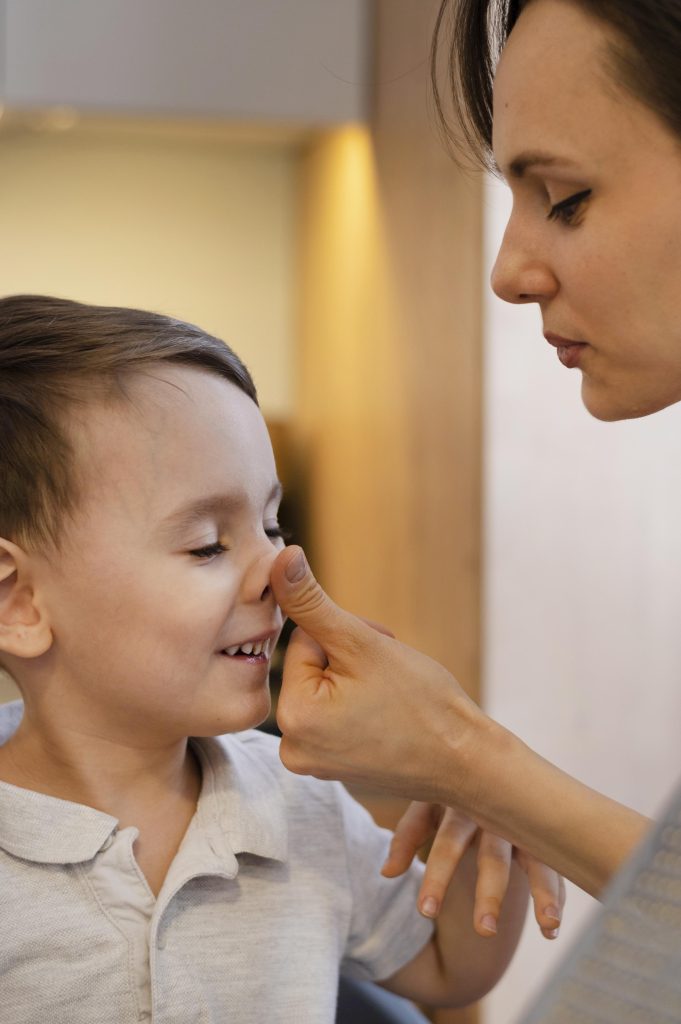
Who It Can Helps
Children, teens, and adults can all be assessed. If you or your child snores, breathes through the mouth, rests with the lips apart, or sleeps restlessly, an assessment can tell you whether oral muscle function is part of it. Many of these patterns show up alongside care you are already receiving elsewhere. Our post on children and snoring covers what parents tend to notice first.
We start with an in-person myofunctional therapy assessment covering oral posture, breathing habits, swallowing, tongue movement, and muscle function. Only after that do we talk about whether therapy makes sense for you.
Common Concerns We Review:
- Snoring or noisy breathing during sleep
- Mouth breathing at night or during the day
- Low tongue posture or open-mouth resting
- Poor lip seal or dry mouth on waking
- Sleep-related oral habits already under review by a provider
Related Services
Myofunctional Therapy
Personal therapy to support proper breathing, tongue posture, and oral function.
Mouth Breathing Treatment
Myofunctional therapy to help address chronic mouth breathing in children and adults.
Tongue-Tie & Myofunctional Therapy
Myofunctional therapy before and after a tongue-tie release to support oral function and recovery.
Teeth Cleaning
Scaling, polishing, and oral health assessment.
Frequently Asked Questions
Do we diagnose sleep apnea?
No. Diagnosis has to come from a physician, sleep specialist, or other qualified medical provider. We assess oral muscle function, which is a different thing.
Do we treat sleep apnea?
No. We do not provide medical treatment for sleep apnea. We provide myofunctional therapy for oral muscle function and breathing-related habits.
Can myofunctional therapy help with snoring?
It may help some people by supporting tongue posture, lip seal, oral muscle tone, and mouth-breathing habits. Results vary from person to person.
Can therapy replace CPAP or an oral appliance?
No. Myofunctional therapy does not replace CPAP, oral appliances, or medical care. We work alongside those plans when it is appropriate.
Who should book an assessment?
An assessment may be worthwhile when snoring, mouth breathing, low tongue posture, poor lip seal, or sleep-related oral habits are present.
Can children be assessed?
Yes. We see children when mouth breathing, snoring, low tongue posture, or oral habits are part of the concern. Medical sleep concerns should still be reviewed by the appropriate provider.
What is the first step?
An in-person myofunctional therapy assessment covering oral habits, breathing patterns, tongue posture, swallowing, and muscle function.
Ready to Review Snoring-Related Oral Habits?
If snoring, mouth breathing, and oral muscle habits are affecting you or your child, an assessment can help determine whether myofunctional therapy may be appropriate. We’ll look at tongue posture, lip seal, breathing patterns, swallowing, and oral muscle function and explain what we find.
Talk To Us
(416) 233-1286