

Myofunctional Therapy Before and After a Tongue-Tie Release
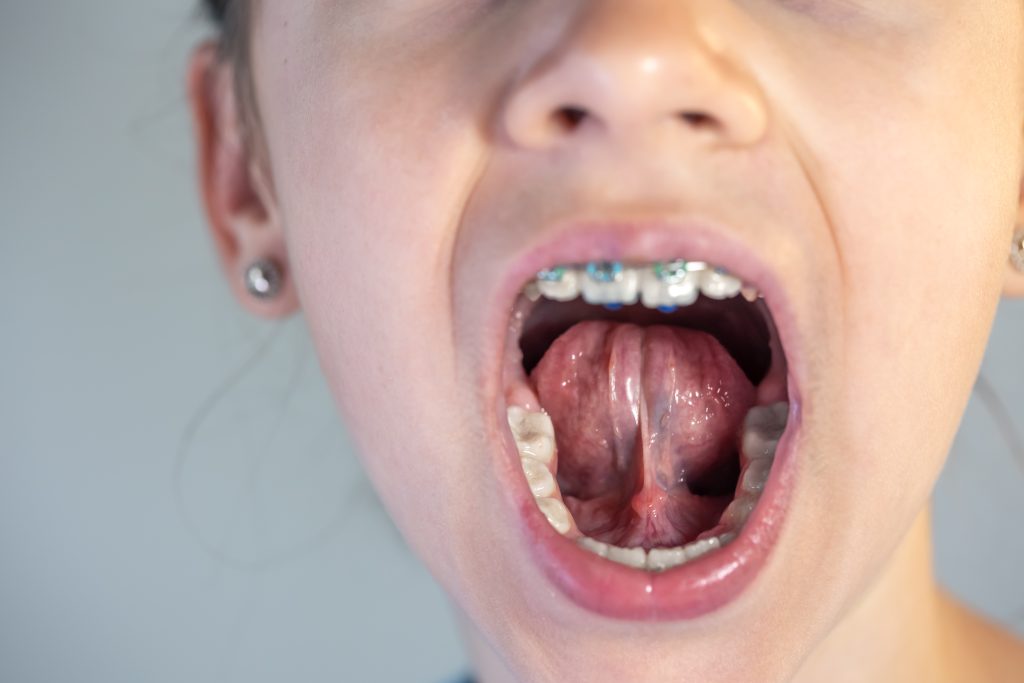
What is a Tongue-Tie?
A tongue-tie, also called restricted lingual frenulum, occurs when the tissue connecting the underside of the tongue to the floor of the mouth limits the tongue’s movement. Because the tongue plays an important role in resting posture, swallowing, chewing, and breathing habits, a restriction can affect how these functions work.
A tongue-tie does not always cause noticeable problems, and not everyone with a restriction needs a release. What matters is how well the tongue is functioning. At Kingsmill, we assess tongue movement, resting posture, swallowing, and the surrounding oral muscle patterns to understand how the restriction may be affecting function and whether myofunctional therapy may be appropriate.
Tongue-tie is about more than how the tissue looks. The important question is how the tongue functions.
Who Diagnoses and Releases a Tongue-Tie
Diagnosing a tongue-tie and performing a release are dental and medical procedures. They belong with the appropriate provider, such as a dentist, ENT, physician, or trained release provider. Kingsmill Dental Hygiene does not diagnose, treat, or release tongue-ties, and we will say so when a concern needs that kind of review.
Our work sits on either side of that procedure. Where it is appropriate, we help prepare the tongue and oral muscles beforehand, and we support movement, posture, and habit retraining afterward.
We provide myofunctional therapy. Diagnosis and release stay with your dentist, ENT, or physician.


How Myofunctional Therapy Helps Before and After a Release
Before a release, therapy focuses on preparation and awareness. Limited tongue movement is often something people have compensated for over a long time, so we start with control, coordination, and a clear sense of where the tongue should rest and how it should move during everyday habits.
After a release, the focus shifts to using that range. We work on tongue mobility, resting posture, swallowing patterns, and nasal breathing habits, following the aftercare guidance from your release provider. Whether therapy is needed and for how long depends on function, symptoms, and what your care team recommends.
Therapy Support Areas:
Tongue Mobility
We work on tongue movement, control, and coordination through guided exercises.
Tongue Posture
We help train a healthier resting position, with the tongue gently against the palate.
Swallowing Patterns
We support better oral muscle coordination during swallowing.
Habit Retraining
We guide short daily practice so new patterns can hold.
Our Assessment
An in-person assessment at our clinic at Royal York & Bloor in Toronto’s Kingsway is where this starts. We look at tongue movement and range, resting posture, swallowing, chewing, breathing habits, and the muscle patterns around the mouth and face. This is a functional assessment: how things are working, not how they look.
We then explain what we notice in plain language, including anything that falls outside what we can assess and treat. If a tongue-tie concern needs diagnosis, we point you toward the right provider. If myofunctional therapy is suitable, we outline a clear plan and explain how the therapy works before you commit to anything.
Assessment Steps:
- Review symptoms, history, goals, and any provider recommendations
- Check tongue movement, resting posture, swallowing, and oral muscle patterns
- Explain the findings and whether another provider should review the concern
- Recommend therapy only when it fits the patient's needs

Working With Your Release Provider
Tongue-tie concerns are rarely handled by one person alone. We often work alongside dentists, ENTs, physicians, and orthodontists when a tongue-tie is part of a larger care plan.
When a release provider is involved, our focus stays on the myofunctional therapy side. They manage diagnosis, procedure planning, and any dental or medical treatment, while we handle preparation, oral muscle retraining, and follow-up support. We coordinate so the timing of therapy fits their aftercare instructions.
Related Services
Myofunctional Therapy
Personal therapy to support proper breathing, tongue posture, and oral function.
Mouth Breathing Treatment
Myofunctional therapy to help address chronic mouth breathing in children and adults.
Snoring & Sleep Apnea Support
Myofunctional therapy to complement your physician’s treatment plan and support better oral function.
Teeth Cleaning
Scaling, polishing, and oral health assessment.
Frequently Asked Questions
Do we diagnose tongue-ties?
No. Diagnosis has to come from a dentist, ENT, physician, or trained release provider. We assess oral muscle function, which is a different thing, and we are clear about the difference.
Do we perform tongue-tie releases?
No. We do not release or treat tongue-ties. Our role is myofunctional therapy before and after a release, when it is appropriate.
How can myofunctional therapy help before a release?
We may help prepare the tongue and oral muscles through awareness, movement, posture, and habit-based exercises.
How can myofunctional therapy help after a release?
We work on tongue mobility, resting posture, swallowing patterns, and nasal breathing habits, following your release provider’s aftercare guidance.
Is therapy always needed after a tongue-tie release?
It depends on how the tongue is functioning, what symptoms are present, your goals, and what your care team recommends.
Who should handle the release?
A dentist, ENT, physician, or trained release provider should diagnose and manage a tongue-tie release.
Which age groups can be assessed?
Children, teens, and adults can all be assessed, though therapy looks quite different at each age. What we recommend depends on what the assessment shows and on your provider’s plan.
Need Myofunctional Support Around a Tongue-Tie Release?
If you’re considering myofunctional therapy before or after a tongue-tie release, we can assess your oral muscle function and help you understand whether therapy may be appropriate for you.
Talk To Us
(416) 233-1286